
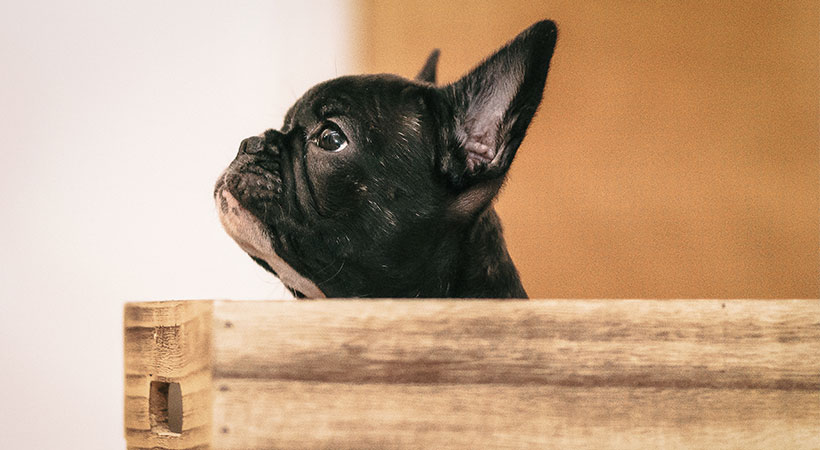
Breathing difficulties are common in French Bulldogs and other brachycephalic breeds due to their unique anatomy, which includes shortened snouts and narrow nostrils. This condition is known as brachycephalic obstructive airway syndrome (BOAS). Several factors contribute to breathing problems in French Bulldogs:
- Flat Facial Structure: French Bulldogs have flat faces, also known as brachycephalic faces, which result in a shortened upper jaw and a flat, wide skull. This characteristic can lead to anatomical abnormalities that restrict airflow.
- Narrow Nostrils (Stenotic nares): Many French Bulldogs have narrow or partially obstructed nostrils, making it difficult for them to breathe through their nose. This narrow opening increases airway resistance and makes it harder for them to inhale and exhale effectively.
- Soft Palate: The soft palate, located at the back of the mouth, can be elongated and thickened in French Bulldogs. This excess tissue can obstruct the airway, especially during breathing, causing snoring, snorting, and difficulty breathing, particularly during exercise or in hot weather.
- Elongated Soft Palate: The soft palate can be elongated in French Bulldogs, extending into the airway and obstructing airflow, particularly when they are excited or exerting themselves.
- Tracheal Stenosis: Some French Bulldogs may also have a narrowed windpipe (trachea), further exacerbating breathing difficulties.
These anatomical abnormalities can lead to a range of respiratory symptoms in French Bulldogs, including snoring, snorting, wheezing, and labored breathing, especially in hot or humid weather or during exertion. In severe cases, BOAS can lead to respiratory distress, exercise intolerance, heat intolerance, and even collapse.
It’s essential for French Bulldog owners to be aware of these potential breathing issues and to take proactive steps to manage and mitigate them. This includes avoiding strenuous exercise in hot weather, providing a cool and well-ventilated environment, using harnesses instead of collars for walks, and consulting with a veterinarian for guidance on surgical interventions or other treatments to improve breathing and overall quality of life. Regular veterinary checkups are also crucial for monitoring and managing any respiratory issues that may arise.
3 Comments
This is exactly what i was looking for, thank you so much for these tutorials
It would be great to try this theme for my businesses
What a nice article. It keeps me reading more and more!